Daily Journal 📓

Short dated entries, links, and microblog-style notes.

  • I did end up ordering a Mac Mini as a new home desktop PC, so now I need to order RAM
  • External storage is a whole other thing. I looked up the Filecoin guide to storage mining and basically you need a $3KUSD AMD machine at a minimum to do mining. Just syncing the Filecoin blockchain (which I do want to experiment with), needs 12GB per week:
    • If you don’t wish to mine, but would still like to run the Lotus client for the purposes of keeping a wallet or interfacing with the network, a system with 2-4 CPU cores, 8GiB of RAM, and enough storage for the Filecoin blockchain should be sufficient (the current testnet chain grows at about 12GiB per week; improvements to reduce this storage requirement are ongoing).

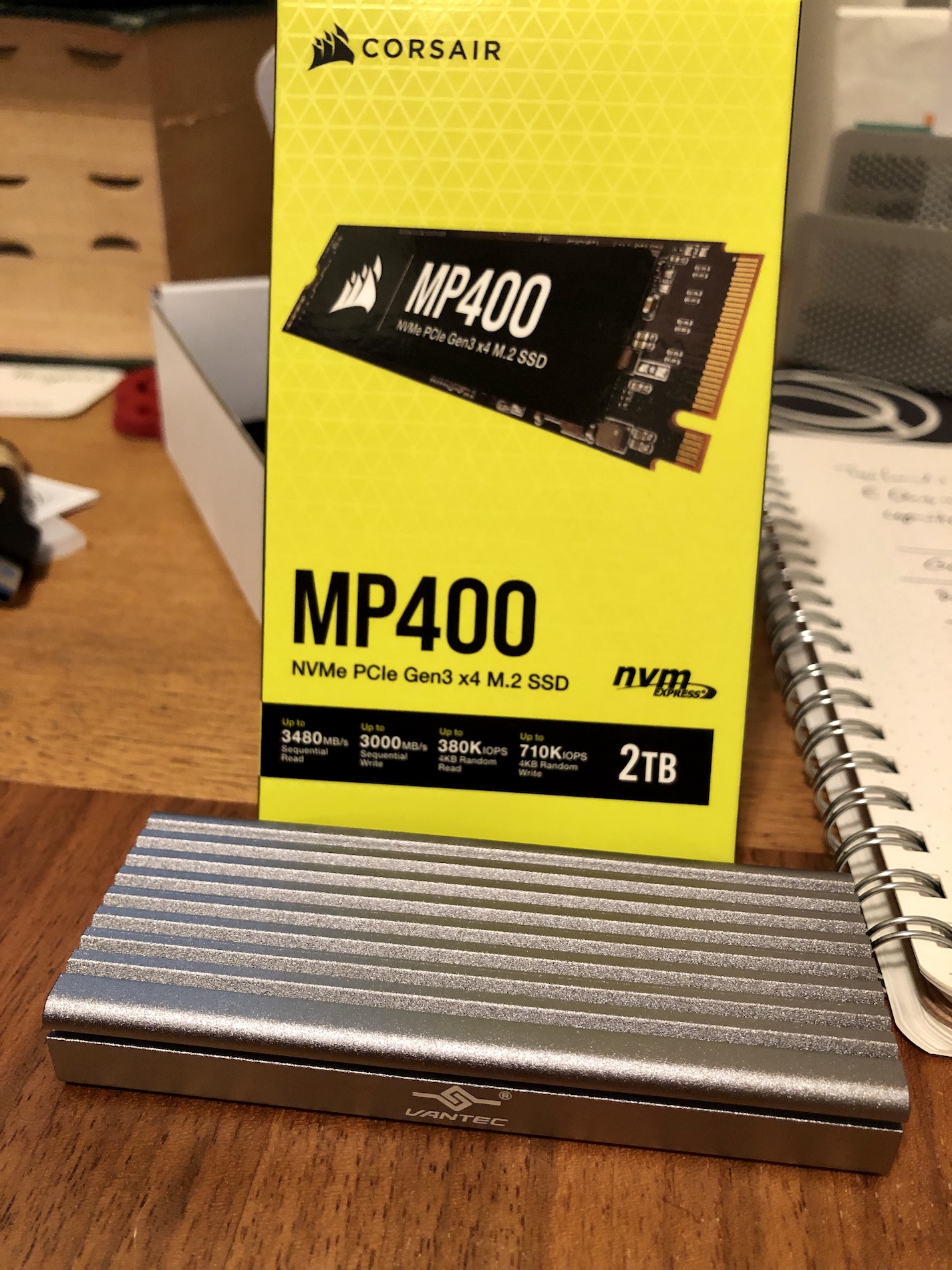
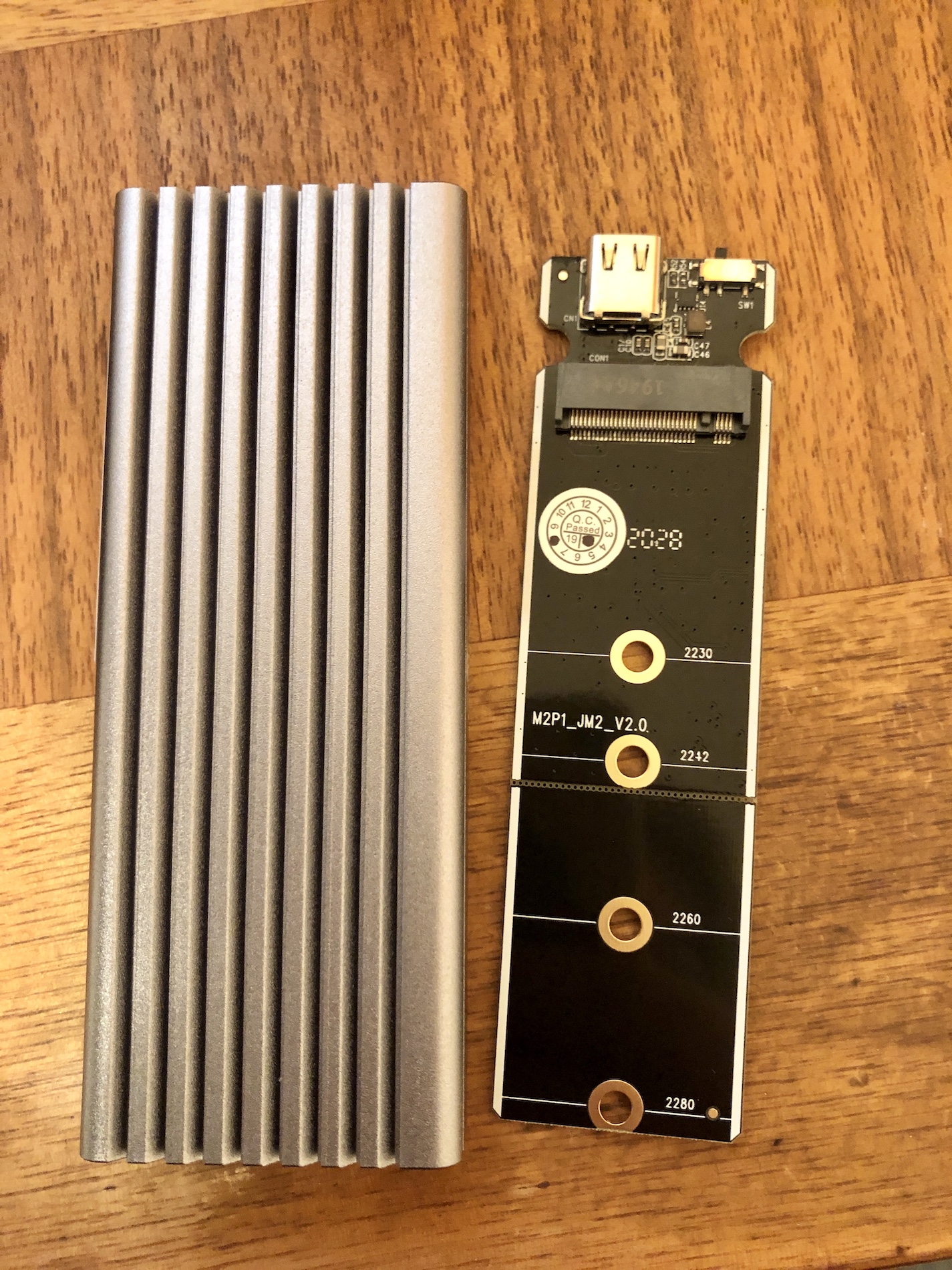
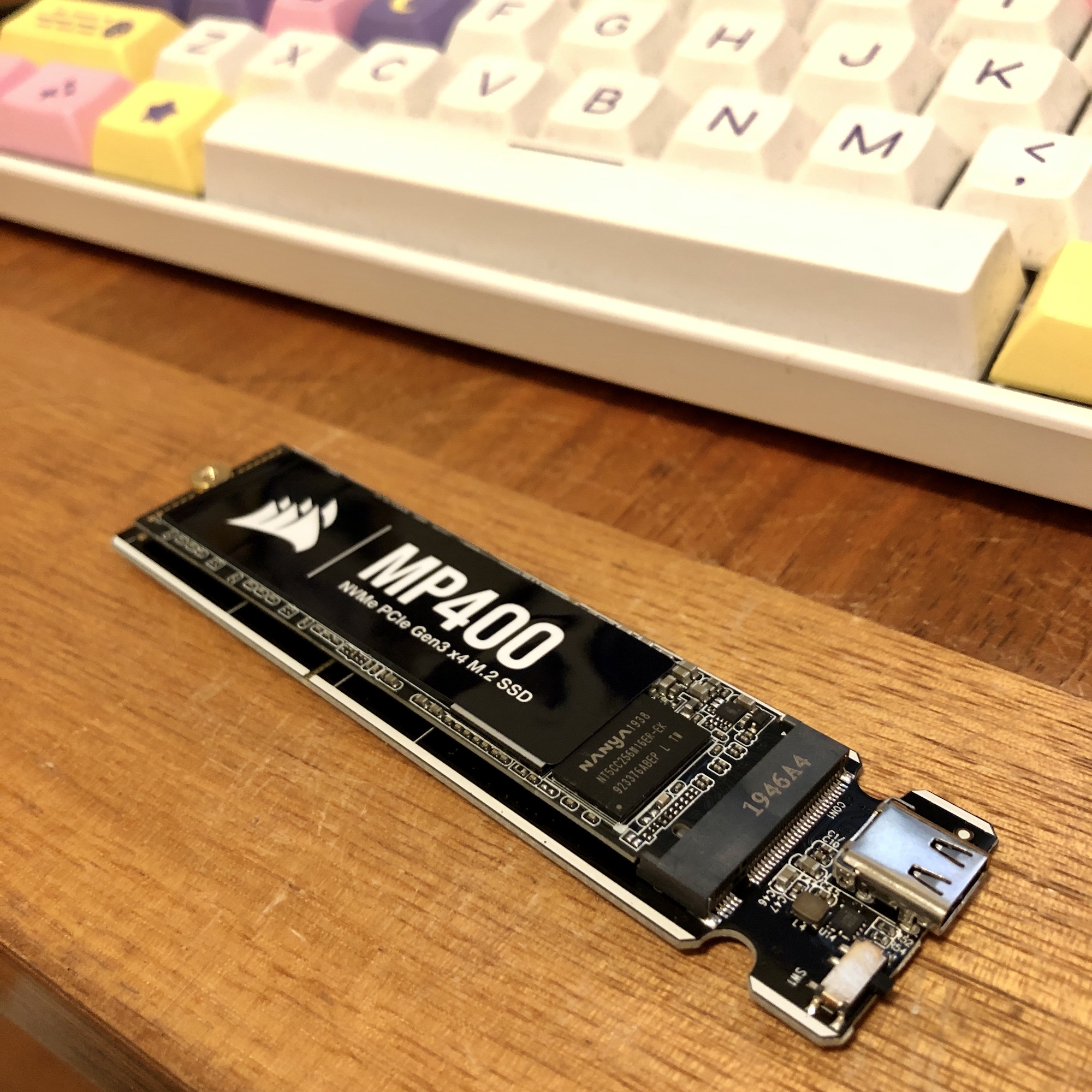
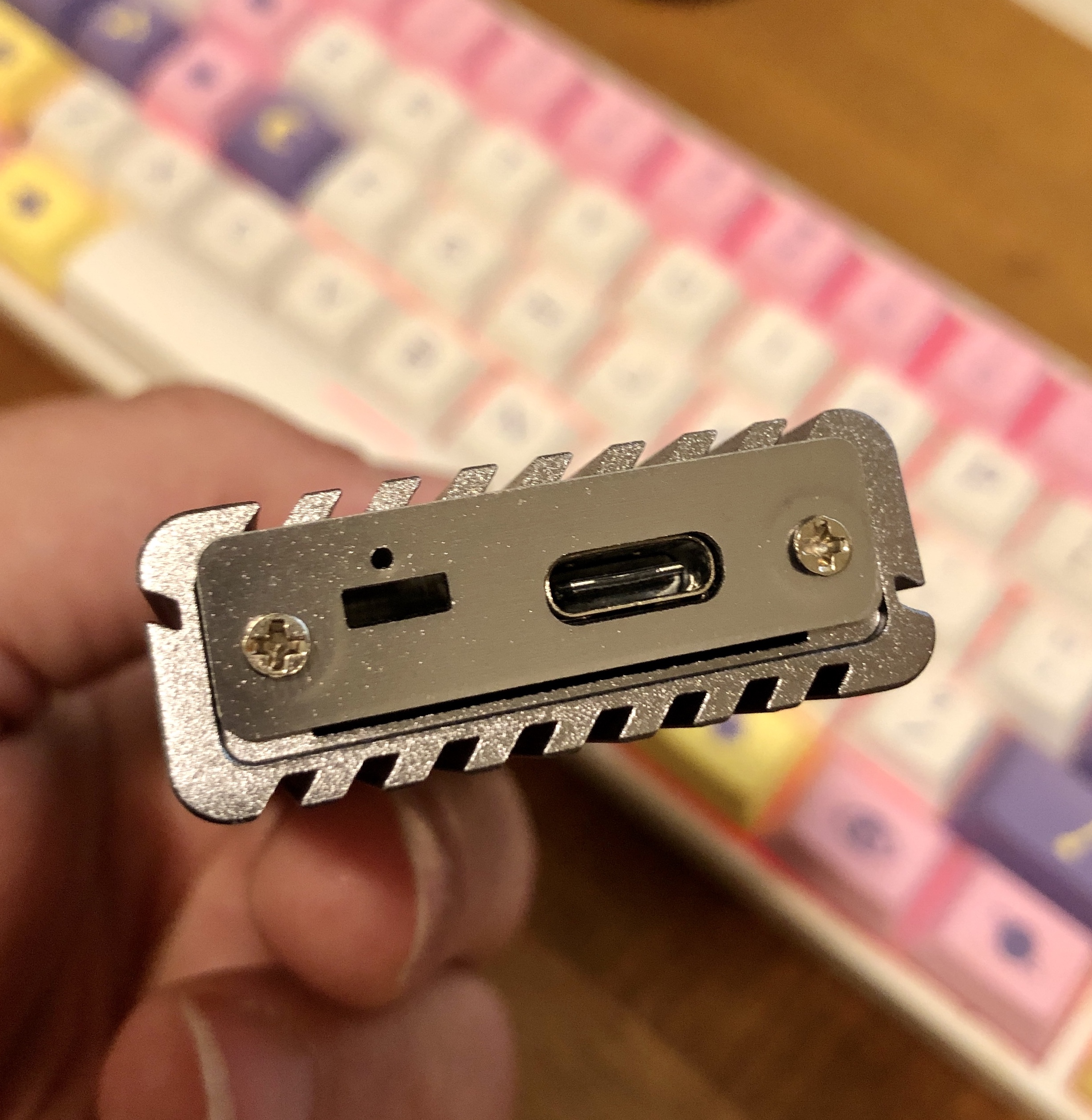
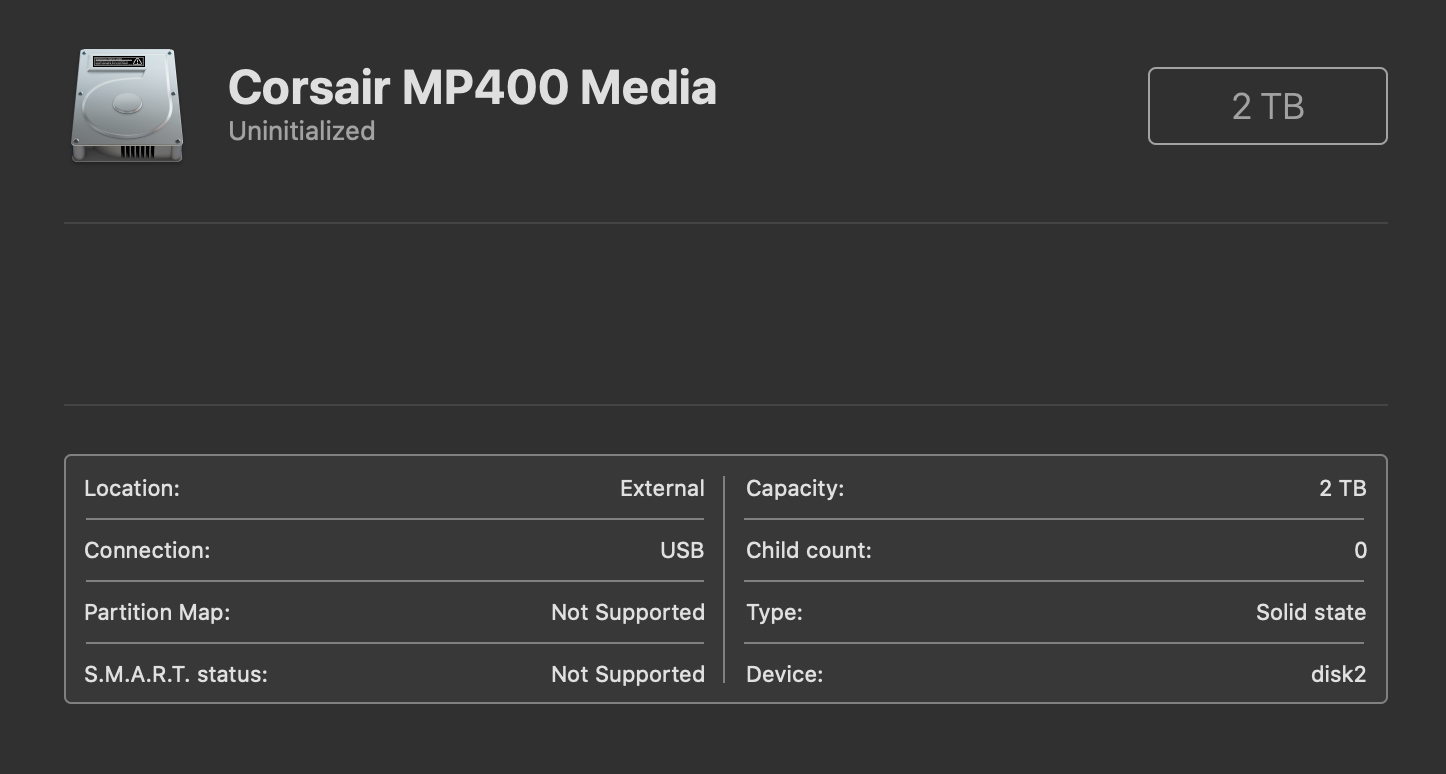
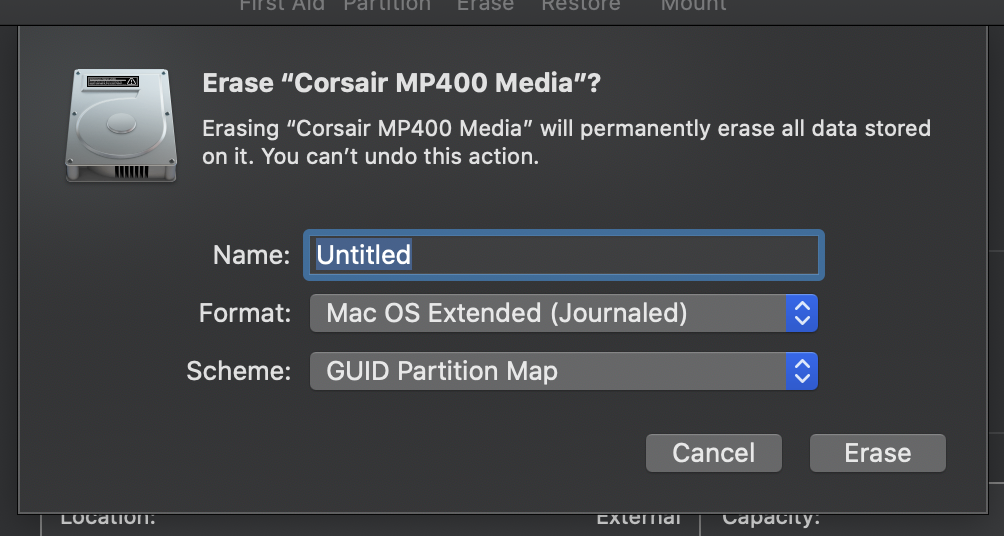
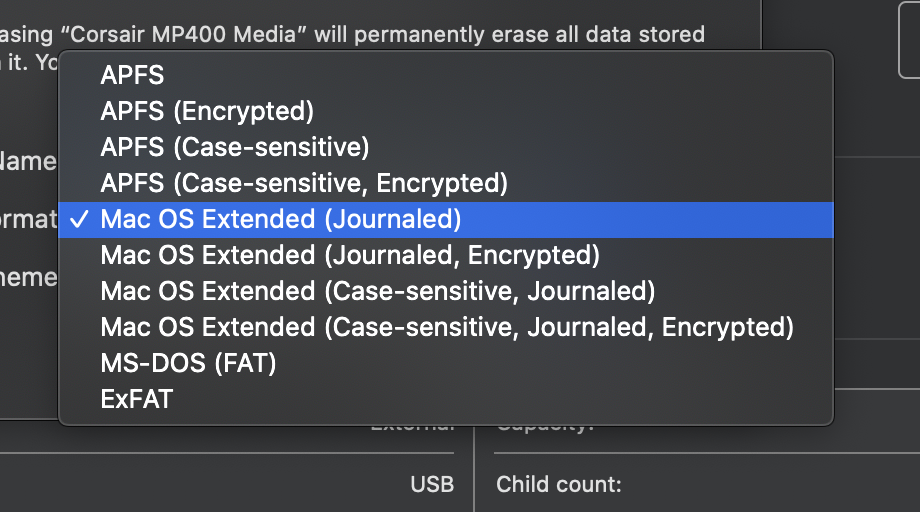
    • Like I said, researching the right combination of external enclosures and drives and such is for another time. I’ve never really stored a lot of media on drives / at home.
  • Biked over to Hinge Park and hung out with @cambel and @catthekin:
    • We sort of talked about Fifth Generation Management, but only in between other topics.
  • Messed around with a Fission timing log of publishing this site.
  • Path of Exile now has a MacOS client! 26GB download, and hard to find the links required.

  • I had just “one more thing” to add to the site last night, and so ended up staying up way too late again.

  • I’m now trying out Obsidian for working with these notes. Again, the nice thing about “files” and some commonality around Markdown.

  • And it generates an impressive looking graph!

  • It doesn’t fully understand Jekyll markdown notes — I guess the spelling for wiki links has to be exact.

  • New notes it creates with Title Caps and spaces, which is easy enough to fix before publishing. This not-really-compatible-markdown-and-file-structures is where all the issues live in note portability.

  • And, funky things like these SJ specific external links. Source for Twitter links looks like this: @obsdmd : : https://twitter.com/obsdmd inside the brackets. it doesn’t understand what I’m doing :)

  • It is a very nice distraction free writing interface that I can see using, but using my code editor as my note taking interface, especiallty when I am going back and forth programming the website with little chunks of Liquid markup, probably makes more sense for me.


  • Reading Zeynep Tufekci‘s article in The Atlantic This Overlooked Variable Is the Key to the Pandemic - It’s not R.
  • Finally actually read some of the Foam stuff, which I did have installed in my VSCode. The Markdown Notes extension I’ve now configured to properly create new notes, which is great.
    • Ironically, the way the actual Foam extension generates Link References at the bottom of each file, doesn’t work for me at all. Simply Jekyll takes care of that, because I can just use a wiki link and it takes care of looking up the file and matching it.
    • Of course, the concern I have with SJ is that it has some unique syntax which is very much tied up into the theme, thus making it not portable. I guess that means that technically the Foam link definitions would make a lot of it portable, using just plain markdown links.
  • Aside from notes here, I’m on a roll with my private notes in Roam Research.
    • That really just means getting things done, as I fill out a Worklog to stay on track.
    • I installed Roam as a PWA yesterday, when I noticed that option was available. Being able to alt-tab to it rather than just being lost in a sea of Chrome tabs definitely is a good thing.
  • Garden and the Gazebo is definitely going to need to get rewritten, and I’m probably feeling more comfortable with making this site a public git repo. Or at least, extracting the way I have things configured theme wise and sharing that.
    • I wanted local links to stand out, so I added CSS styles before and after to show the links in square brackets.
    • I originally included the full CSS as a code snippet, but the way linkifying works with SJ it turns them into links! 😜
  • Maybe the Colophon here can just be generated with backlinks now.
  • Continued massaging of content from OG blog and imported Medium posts that made it into Micro.blog, that make more sense here.
  • The Blog Colophon is here now.
    • Swapped out Archive for a new Blog listing. Needs more work to actually highlight latest blog posts. And I guess I should write long form personal posts at some point!
  • Upgraded to Micro.blog Premium
    • The new Bookmarking feature is a pretty good non-silo “read it later” feature, plus it will have reblogging built in.
    • It’s convenient to have my articles to read next to my blog-small-snippets, so looking forward to testing this.
    • Here’s Manton Reece doing a screencast of how it works.
  • twitter is garbage follow me on neocities https://neocities.org/site/substack@substack


  • The tiny mention of Simply Jekyll in [yesterday’s journal](Sept 27th, 2020) turned into pouring all of my content into that template instead.
  • Since I had to go into Cloudflare to update the #IPNS link, I fixed my blog SSL issue.
  • I need to do some more work on how Journal posts like this one work.
  • #Co-op and B-Corps structures are supposed to prevent this sort of thing. @jonrshell posts a thread covering the background of people soon to be in charge of MEC:
    • Short version: @MEC to be run by three middle-aged white men: a mediocre-at-best American investor, an out-of-work grocery CEO and a COO who might never have managed a store and runs a guns-and-testosterone shoe brand. This should go well! @jonrshell


  • Both Stream and Garden

    collapsed:: true
    • @ton asked:
      • What could a site look like if it was neither a blog or wiki, but had both those types of content (both stream and garden, so to speak)? Any good examples you know of? https://www.zylstra.org/blog/2020/09/15034

      • Well, that’s basically what I’m exploring here!
      • I think notes == wiki and journal == blog, although journals are much more of a mix.
      • For both, using backlinks / wiki-likes rather than exclusively linking or commenting out is a difference. Even bringing in an article or a link to a tool as something more note-like leads to behaviours that are very different than writing a blog, I’m finding. I’m still thinking if I might turn journals into posts rather than the note type they currently are.
      • Basically, so I can make up for the fact that it’s hard to link to “blocks” without a full Roam Research-like system in place that isn’t just Markdown files.
  • Simply Jekyll

    • From the comments on Ton’s post, @bopuc pointed out Simply Jekyll. It looks great and I’m going to spend a bit of time seeing if I can integrate it into this site, or switch to using that theme entirely.
    • This is what’s nice when your data — Markdown files and a little bit of config — are easily portable between systems.
  • Institute for Local Self Reliance

    • https://ilsr.org sent to me by @benzcooper. Looks like an interesting albeit US-centric organization. From their about page:

      Our Energy Democracy Initiative empowers households and communities to produce their own local, clean, and renewable energy and oppose the excessive power of monopoly utilities.

      The Community Broadband Network Initiative promotes locally rooted, democratically accountable broadband networks that provide fast, affordable and reliable Internet access to all Americans.

      Our Independent Business Initiative champions locally owned businesses, leads efforts to fight the unchecked power of corporate giants like Walmart and Amazon, and seeks to reverse the government policies that work against these small, independent businesses.

      Our Waste to Wealth Program focuses on moving toward a zero-waste economy, exposing corporate control of the waste sector, and supporting local community efforts to shut down garbage incinerators.

      Our Composting for Community Initiative works in diverse communities to create jobs, protect the climate, and reduce waste by advancing local, neighborhood-level composting programs.

    • Rather than creating an organization, I’m much more interested in doing projects that fit into themes like this. SMB Peers fits into this, as does Vancouver CLT and Vancouver Local Makers Directory.


title: Sept 26th, 2020 date: 2020-09-26

Thinking about a desktop PC

The iMac I have at home I inherited from Rachael. It’s not the fastest, especially since it still has a spinning rust hard drive. If I’m going to experiment with Filecoin mining to any degree (and assuming that it is at all feasible from home), I’m going to need something more powerful.

I priced out a System76. I priced out the smallest of their Thelio desktops:

  • AMD Ryzen w/ PCIe 4.0 +$199

  • 4.5GHz AMD 3rd Gen Ryzen 5 3600XT (3.8 up to 4.5 GHz - 6 Cores - 12 Threads) + $299

  • 64GB Dual Channel DDR4 @ 3200 MHz +$389

  • 500 GB PCIe Gen4 +$124

  • 1 TB PCIe Gen4 +$289 (this could also be an external?)

  • 8GB GeForce RTX 2060 Super with 2176 CUDA Cores +$489

    Total $2697USD, plus ~$200 in shipping to Canada. So about $3900CAD. This is really a “work expense”, and I suspect that I would actually put it at the Fission office, not actually here at home.

    I know nothing about figuring out how to select a desktop PC today. Wirecutter only has a guide to Mini Desktop PCs:

    A mini PC combines the performance of a good laptop with the upgradability of a full-size desktop computer together in a package the size of a paperback book. Mini PCs are fast enough for anything other than high-end gaming, and unlike some laptops, they include all the ports you need to connect multiple monitors and your favorite keyboard and mouse. You can find lots of good mini PCs, but HP’s ProDesk 600 G5 offers the best combination of performance, ports, and price.

    This iMac needs to get replaced, but I’m not ready to leave the Mac. Maybe a Mac Mini?

    Going to Apple Canada, the Mac Mini 2020 configured with 3.2GHz 6‑core 8th‑generation Intel Core i7 (Turbo Boost up to 4.6GHz) with 512GB SSD is $1659CAD with 8GB of memory. +$750CAD for 32GB of memory from Apple??!! Looks like $180CAD from OWC for the same amount.

    Mac Mini also means I could get setup at home with a KVM (keyboard / video / mouse) switch between different machines, and focus more on external add-ons, including an eGPU. This 9to5 Mac video covers an eGPU and Windows Bootcamp — which mainly focuses on FPS performance in games on the Windows side. This Apple Insider article on using an eGPU has some benchmarks on the MacOS.

    I think I just convinced myself to get a Mac Mini as the next step :)

Daily Journals and jekyll-feed

I moved public notes to be in daily files and made a Journal. Like a Worklog, but less day-job work related :)

This jekyll-rss-feeds and jekyll-json-feeds are good starting points. Made custom Feeds for recently updated notes as well as Links. Those are articles I’m quoting and taking notes on, or bookmarks to stuff that I want to keep track of.

Redid the home page and got rid of the Start page.

Quotebacks, Annotations, etc.

Quotebacks https://quotebacks.net/ are interesting because they are another new-old thing in blogging. Annotations are a web standard (that’s from the blog of Hypothes.is, which is big on annotation) — so I kind of want to use a standard. But annotations aren’t really quotes? Have to dig into this more.


title: Sept 25th, 2020 date: 2020-09-25 category: Journal

Self rendering Markdown

I compiled all the Javascript Markdown scripts into a test deploy on Fission at https://petite-junior-angular-llama.fission.app.

@-mentions as key network signifier

Had a good call with Rabble talking about UCAN, Planetary, and the “discovery” problem in social networks. Specifically, mapping unique identifiers like a hash or a key to a username. And, that those usernames probably all look like @username (back to Social Mentions!).

Twitter was the undisputed champion of @-usernames, but I’d say that Instagram is as big or bigger depending on the context. Celebrity, food, small business are increasingly defaulting to IG as the primary @-username.

Yes, many other systems use @-usernames, but the “default” mapping is to Twitter.

Idea that I floated for portability / look-ups: usernames linked to DIDs using Verifiable Claims. This “proves” that a DID has control over a username on a given network.


On Hiring Software Engineers

OK, I’m going to see about building Social Mentions into the site as well.


  • End of day notes and article links
    • Thanks @elty and @expede for deep meaningful conversations today. Pointers to some of the links and articles we talked about:
    • Yes, sending people links / notes motivates me to curate and add to the things I have here.
  • Coffee with Bob in Dunbar
  • Primeflow and Market Networks
  • Fission #Webnative #iOS App
    • I saw a tweet that Apple is recruiting for an interesting role — “you’d contribute to Cloud File Providers and work with adopters to get their cloud storage systems integrated across the OSes”. I’ve noticed for a while that Apple has been very careful to make storage an API — it works with iCloud and your local file system by default, but you can set it to Dropbox or Google Drive or others if you have those apps installed. This operating system stickiness through superior integrations at a very low system level.
    • For us at Fission, I discussed a couple of ideas with Brooke today. One, a native mobile app for Fission is key — it means that any other app on iOS that can share files we can use Fission both as a storage system, and as a target to share / copy files into.
    • The second idea I came up with was how, by having a native app, we can in fact pass on that ability to ALL the other apps built on the Fission webnative framework to automatically have native integration. Sign in with your Fission account, which knows all the apps that it has connected to, and then you can “Share to Fission”, and select which app you want to share to.
    • Here’s a screenshot of how you can pick between different Discord servers as an example of how existing native apps handle multi-target share sheets:
    • Discord server selection in iOS share sheet
    • This is a whole other layer of network effects in giving a ton of apps native mobile integration. Need to talk to the Expo folks about this.
  • Small Business Peer Roundtable
    • I ran some small business / entrepreneur peer sessions in Comox that continued on as WeAreYQQ. I did something similar over lunch with folks at Input Cowork when we went for a visit last summer.
    • I’ve decided, especially as we get into the winter months, and as we continue to think about this pandemic as a way to think differently and make change happen, to do at least one mini roundtable with some small businesses and interesting people. Talked to one of the businesses today and they said yes. Thinking about whether to connect this with Venture Scouts — feels like it would be a fit, but I’m also OK with it just being a one off.
    • I guess I’ll make a placeholder for this: SMB Peers
  • Done with LogSeq?
    • I think I’m done with LogSeq. It isn’t currently syncing with Github reliably. It has indexed the contents of this public notes Garden as well as just basic files, and that is very interesting to me, but it doesn’t work at all on mobile, and has real trouble with the amount of files that I have in this repo. Inspecting it in the browser it looks like it’s storing 1.1GB.
    • Maybe if I split public Garden / private Gazebo into separate repos that would help.
    • But I think more time with Roam Research for private notes makes sense. This was working for me before, but I just went on this epic journey of looking for something that was open source / could be self hosted.
    • It will be interesting to see if I can import the markdown files into other systems. LogSeq uses multiple levels of hashes — which in default markdown are headings — which makes it look weird in every other system. Also, Roam can only handle 10 pages at a time.

I went and grabbed the source for blog.bmannconsulting.com and put all the posts in the archive here as well. A number of them were bookmarks / links, which fit much better as notes. Many of the posts which I didn’t bring in here are “social posts”. Some of them could be good note candidates, but most of them are images and cross posts to Twitter and so on, which I’ll see about importing into Micro.blog. It’s going through a 2.0 update so I’ll wait a while on that.

TODO I think I’m going to turn off the existing blog, point the blog subdomain at Micro.blog instead of microblog, and then I’m done shuffling things.


Jacob invited me to the Embassy Network Slack, which we’re going to use as our community gathering space for collaborators for Vancouver CLT for now.

There was a relevant post on a proforma for a house in Maine that can form part of the financial aspects of a CLT.

I shared CLT Vancouver, I need to see about going in and introducing myself, and finding out more about them.

This article on Co-buying property with friends was a good overview. Some parts are overly US-centric (Canada doesn’t have LLCs and some of the other structures mentioned), but the general process is great.


Spoke to the STRIVE Business and Engineering Club tonight.

They are purposefully a small group where members take an active role in deciding what to learn and who to hear from.

It was a general “tell your entrepreneurship story” session over Zoom. Encouraged them to try things, start side businesses and projects.

I was surprised that none of them had heard of Y Combinator.

I told them all to get on Twitter. And I think somewhere in there I may have agreed to create a TikTok account.

None of them had ever bought a domain name — suggested that they have someone in the group research on how to do that and present it to everyone else. With ~30 group members, that’s a lot of combined research and learning!

Recommended Tumblr https://tumblr.com as well for sharing / clipping links and notes. You can still map your own domain name for free.

A few things I mentioned:


Had a great intro call with Jacob Sayles. He shared a 10 bedroom house on Nicola Street that he’s been looking at, and in general is excited about exploring shared housing options in for Vancouver CLT.

Next step is to put out a call / invite people who might be interested in actually getting started with this.


Chris Fralic of First Round Capital explains how to figure out what your LinkedIn member number is.

Basically, go to your own profile, “view source” to look at the code for the web page, and search for “member”.

I’m member #1746. Yes, I was early to social networks :)